What Makes SOE Single Origin Espresso Unique from Combination Beans
Wiki Article
Discovering the Rich Tastes of Coffee Beans: a Deep Study Espresso and Blended Coffee Beans
When you explore the rich tastes of coffee beans, you discover an intricate world where each range brings its very own personality to your mug. Comprehending the origins, refining methods, and toasting methods can change your coffee experience. As you navigate via the art of espresso and the creativity behind combined coffees, you'll begin to value the subtleties that make each sip unique. What you'll uncover following may transform the method you enjoy your morning mixture.The Beginnings of Coffee Beans: Exploring Terroir and Flavor Profiles
When you take a sip of coffee, you're not simply appreciating a drink; you're experiencing a rich tapestry of flavors formed by the beans' beginnings. Each region creates special flavor profiles affected by soil, environment, and altitude. Beans from Ethiopia frequently break with bright, fruity notes, while those from Colombia tend to offer a balanced, nutty sweetness.As you explore different origins, you'll notice exactly how terroir-- the environmental variables impacting a plant-- plays an essential role - Single Origin Espresso. The very same coffee selection can taste considerably various depending upon where it's grown
When you think about these factors, you begin to value the complexity behind your mug. Each sip narrates of the land and the farmers that supported the beans. Next time you indulge, assume concerning the trip your coffee took before it reached your hands, and appreciate those elaborate flavors that show its beginning.
Comprehending Espresso: The Art and Scientific Research Behind the Mixture
When you think about espresso, it's not nearly the solid taste; it's also about the techniques that bring it to life. Comprehending just how different prep work approaches influence taste can transform your brewing experience. Allow's check out the ins and outs of espresso preparation and reveal the special taste profiles that make each mug special.Espresso Preparation Techniques
Coffee preparation is both an art and a science, integrating precise strategies with a deep understanding of coffee. To start, you'll intend to pick high-quality, freshly roasted beans and grind them carefully for excellent removal (Single Origin Espresso). The grind dimension is important; too coarse, and your coffee will be weak, also fine, and it'll be bitterThe result must be a rich, creamy coffee with an attractive layer of crema on top. With method, you'll understand these strategies.
Taste Profiles Explained
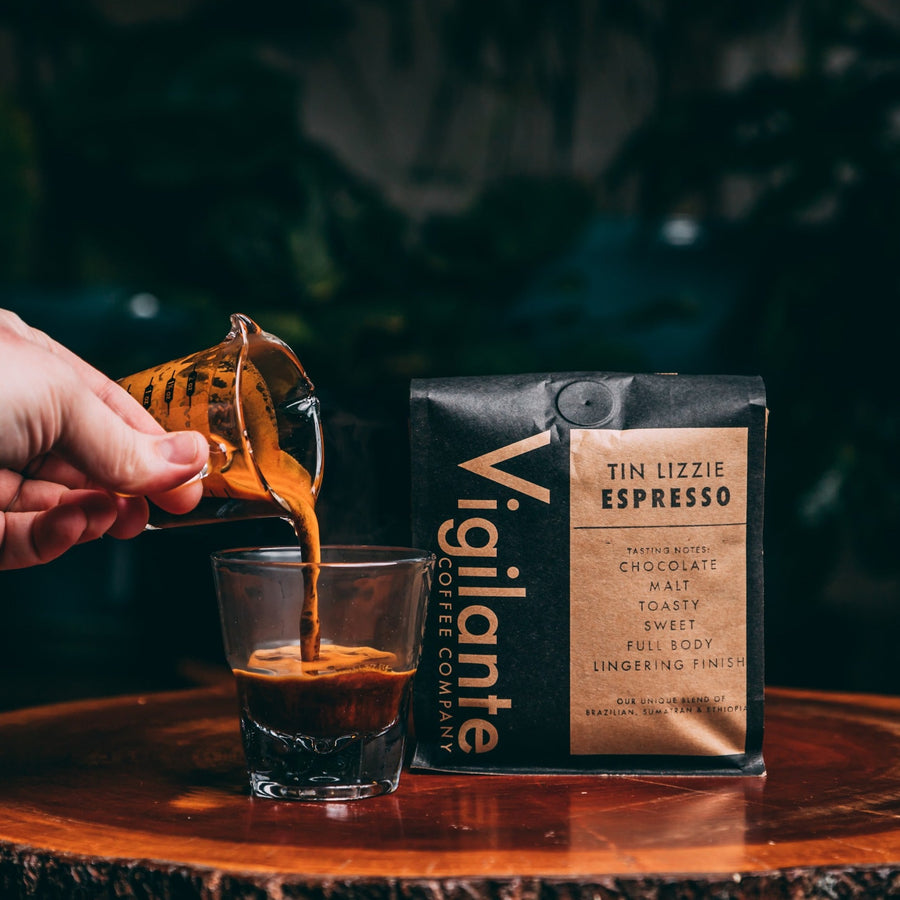
The world of coffee uses a rich tapestry of flavor accounts that can elevate your coffee experience. Light roasts often showcase intense acidity and vibrant tastes, while dark roasts present deeper, bolder tones.A well-crafted blend might integrate the bright notes of an Ethiopian bean with the abundant, chocolatey touches of a Brazilian bean. Embrace the trip of discovering espresso's varied tastes, and you'll change your coffee ritual right into an amazing journey.
Handling Techniques: Exactly How They Influence Taste and Scent
While it could seem that the beginning of coffee beans is one of the most significant consider establishing their taste and aroma, the processing methods utilized post-harvest play a just as important role. You'll locate that these approaches can substantially change the last preference profile of your cup.As an example, the washed process eliminates the fruit from the beans prior to fermentation, often resulting in a cleaner, brighter flavor. Meanwhile, the all-natural procedure leaves the fruit undamaged during drying, causing a sweeter, fruitier profile.
Other approaches, like honey handling, strike a balance, permitting some fruit mucilage to stay, supplying a distinct intricacy.
Each processing technique connects with the beans' integral features, improving or muting certain flavors and aromas. When you drink that espresso or blended coffee, bear in mind that the journey from cherry to mug is affected not simply by beginning yet likewise by just how those beans were processed.
Roasting Methods: Unlocking the Full Prospective of Coffee Beans
Roasting methods are important for revealing the full potential of coffee beans, as they transform raw, environment-friendly beans into the aromatic, delicious coffee you delight in. The selection of toasting approach-- light, medium, or dark-- substantially influences flavor accounts.A slower roast at reduced temperatures enables for intricate tastes to establish, while a quicker roast can increase bitterness. By mastering these techniques, you'll reveal a globe of flavor, elevating your coffee experience to brand-new heights.
The Magic of Blended Coffee: Producing Distinct Flavor Experiences
Creating a special taste experience with blended coffee can transform your morning routine into an expedition of taste. By integrating various beans from different regions, you can disclose a symphony of flavors that raise your mug to brand-new heights. Each mix offers a distinct account, balancing level of acidity, sweet taste, and body to create something genuinely unique.When you choose a blend, you're not simply picking a coffee; you're picking a trip across diverse landscapes and societies. Trying out with different mixes allows you to find your personal favorites, whether you delight in fruity notes or rich, chocolatey undertones.

Tasting Notes: Acknowledging the Nuances in Your Cup
As you drink your coffee, you might notice a spectrum of tastes dancing on your palate, each revealing the complexities of the beans. You may taste the bright acidity evocative citrus or the deep, rich notes akin to dark delicious chocolate. The sweetness could evoke honey or sugar, balancing the overall account beautifully.Pay focus to the body of the coffee-- does it really feel airy and light, or is it complete and creamy? The surface, also, uses clues; a remaining aftertaste might hint at nuttiness or flower touches.

Do not fail to remember to discover the one-of-a-kind features of different origins, as each area presents distinct flavors - Single Origin Espresso. Ethiopian coffees frequently existing fruity notes, while Colombian beans may showcase a much more rounded sweet taste. By identifying these nuances, you'll SOE deepen your gratitude for every mug, elevating your coffee experience to new heights

Brewing Methods: Making Best Use Of Taste Removal for Every Bean
When you explore the various brewing techniques, you'll find that each strategy can significantly impact the flavor profile of your coffee. From French press to pour-over, each method extracts different substances, boosting or silencing details notes. Using a French press allows oils to continue to be in the mixture, developing a richer preference, while pour-over stresses quality and brightness.Temperature level and grind size also play crucial functions. A coarser work works best for chilly mixtures, while a fine grind is excellent for espresso. Trying out water temperature level-- between 195 ° F and 205 ° F-- can expose concealed tastes, too.
Don't ignore soaking time; a fast removal can lead to sour notes, while over-extraction may yield resentment. By readjusting these variables, you can make the most of taste removal and absolutely elevate your coffee experience. Delight in the journey of finding what approach ideal suits your palate!
Often Asked Concerns
What Is the Suitable Water Temperature Level for Developing Coffee?
The excellent water temperature for brewing coffee's between 195 ° F and 205 ° F. If you use water that's too hot, you'll over-extract flavors; too cold, and you won't extract enough. Go for that wonderful area for the finest mixture!Exactly How Does Work Size Impact Coffee Flavor?
Grind size considerably affects coffee flavor. Finer grinds extract more tastes and oils, causing a bolder preference, while coarser grinds return a lighter flavor. Changing grind size helps you attain your wanted coffee account.Exist Health And Wellness Advantages Related To Drinking Coffee?
What Is the Difference In Between Arabica and Robusta Beans?
Arabica beans are smoother and sweeter, commonly featuring fruity flavors, while robusta beans are more powerful with a bitter preference and higher high levels of caffeine web content. You'll discover these differences in aroma and developing experience.Just How Can I Shop Coffee Beans for Freshness?
To store coffee beans for freshness, keep them in an airtight container, away from heat, light, and dampness. You'll maintain their taste longer if you just grind what you need right prior to brewing.Checking Out the Rich Tastes of Coffee Beans: a Deep Dive Into Espresso and Blended Coffee Beans.
When you check out the rich tastes of coffee beans, you uncover a complicated world where each range brings its own character to your mug.When you take a sip of coffee, you're not just enjoying a drink; you're experiencing an abundant tapestry of flavors formed by the beans' origins.Roasting methods are important for disclosing the full capacity of coffee beans, as they change raw, eco-friendly beans right into the aromatic, delicious coffee you enjoy.As you sip your coffee, you could discover a range of tastes dancing on your palate, each exposing the intricacies of the beans.
Report this wiki page